Choosing a security company? Discover 7 questions to ask before appointing a security provider, from accreditation and training to technology, support and experience.

SGL celebrates one year at the OVO Hydro, delivering security for 147 events, 34,000+ shifts and thousands of visitors at one of the UK's top venues.
We’re proud to continue our support of Stamp Out Spiking, the UK charity campaigning to tackle spiking and raise awareness of its impact.
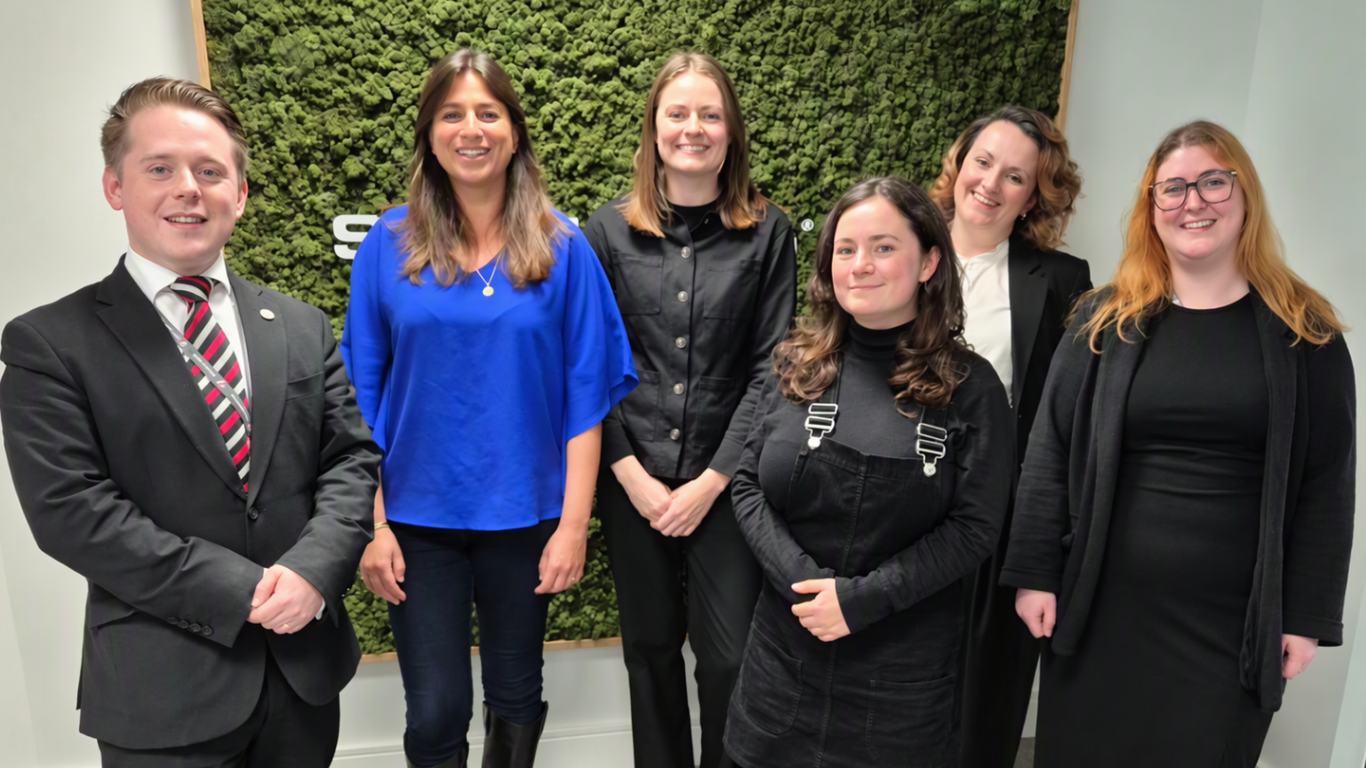
Discover how SecuriGroup's partnership with Code First Girls is creating new pathways into tech careers and helping build a more diverse technology team.
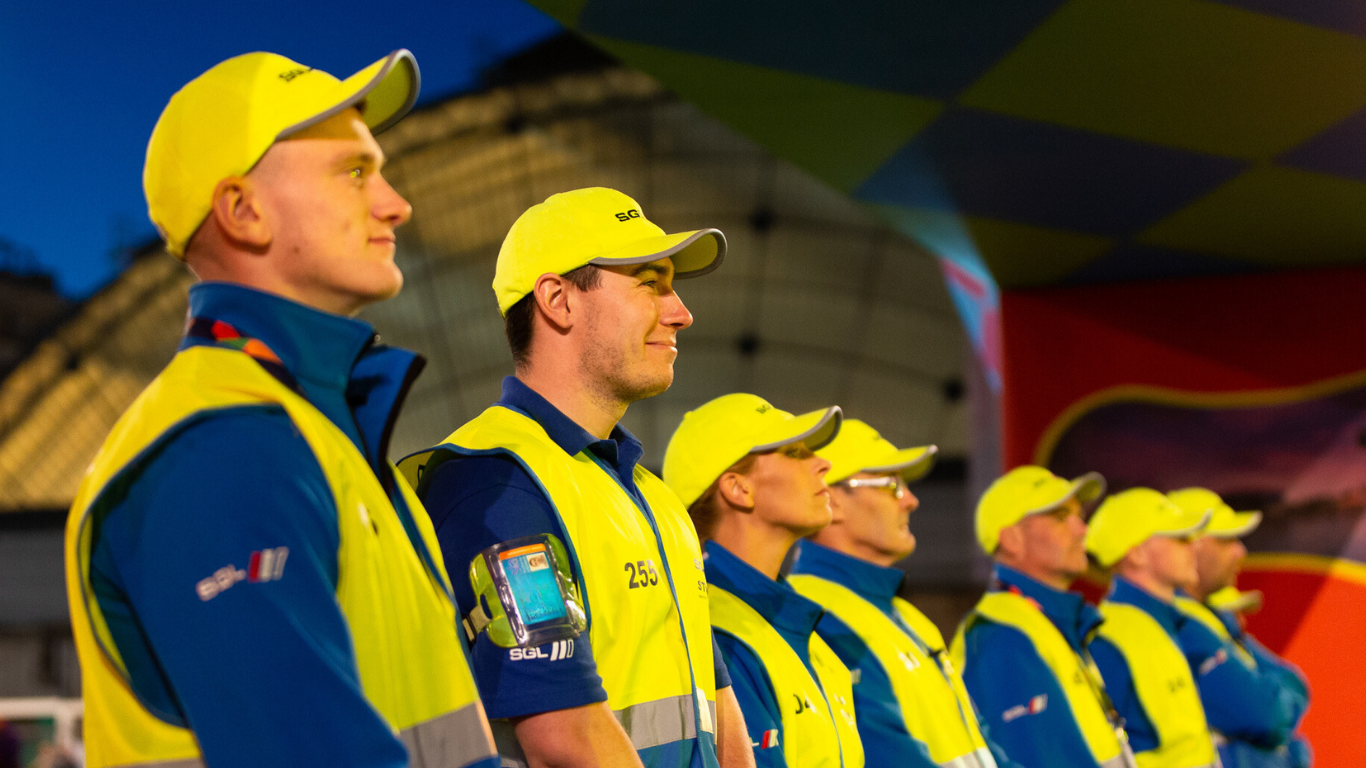
Learn what Martyn's Law means for venues, events and organisations across the UK. Understand the requirements, responsibilities and practical steps to prepare for the Terrorism (Protection of Premises) Act 2025.
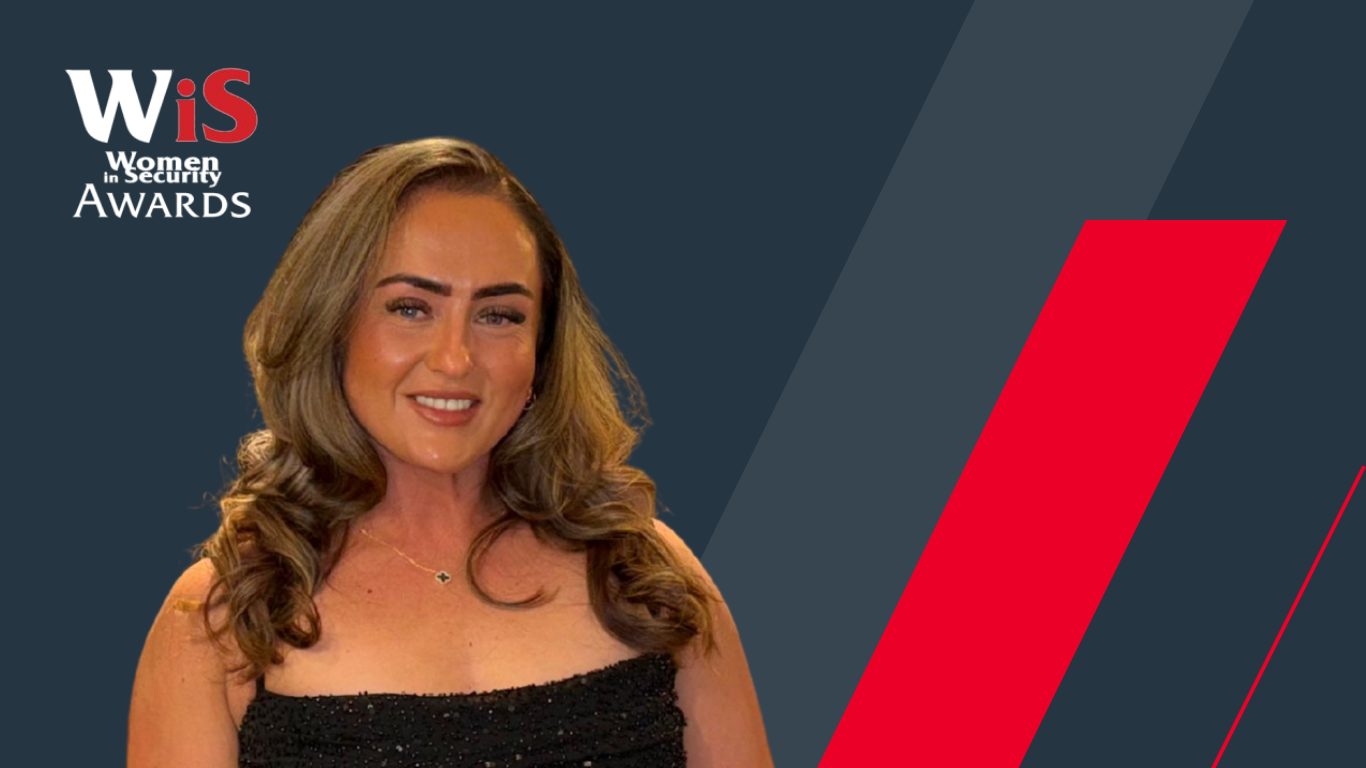
Katelyn Gordon has been named a finalist in the 2026 Women in Security Awards, recognising her leadership, frontline excellence and impact at Silverburn.
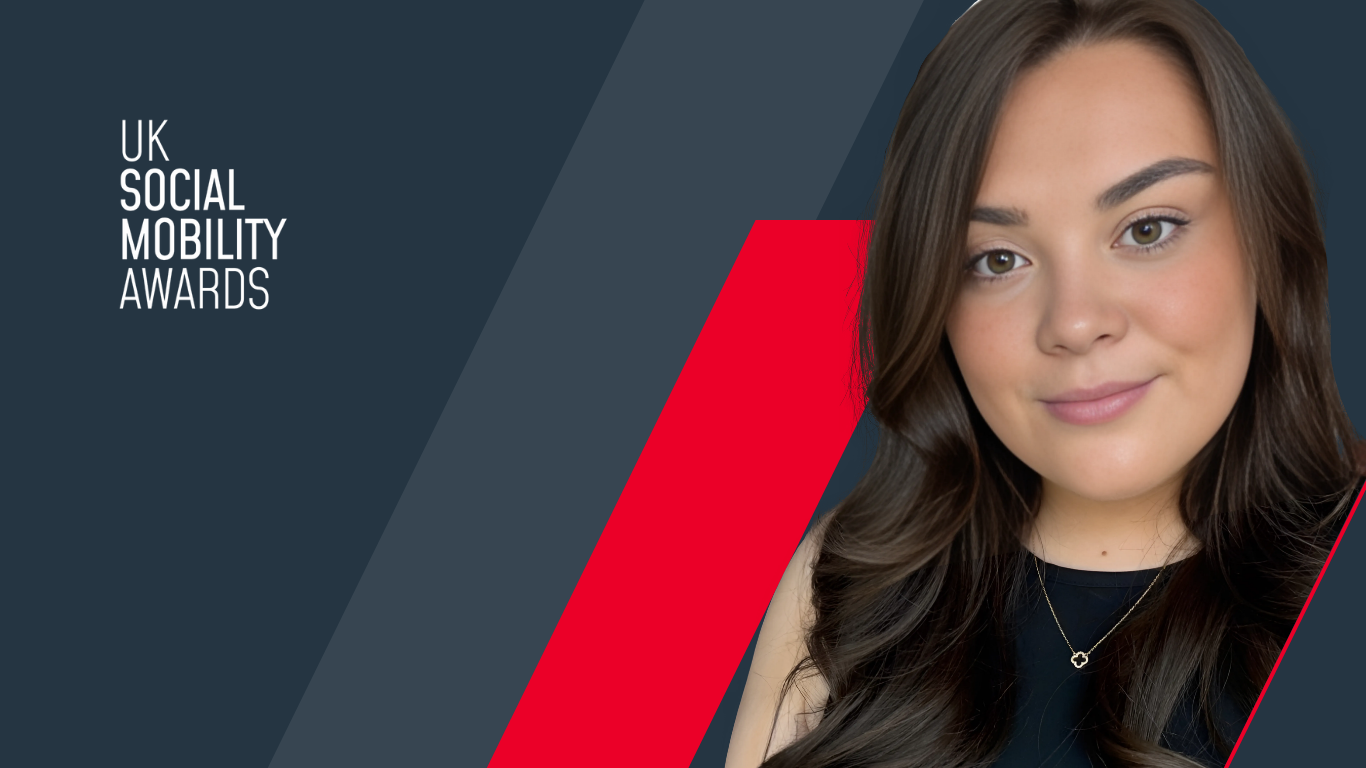
SecuriGroup's Monica O'Brien has been named a 2026 Social Mobility Awards finalist for her impact on social recruitment and inclusion.
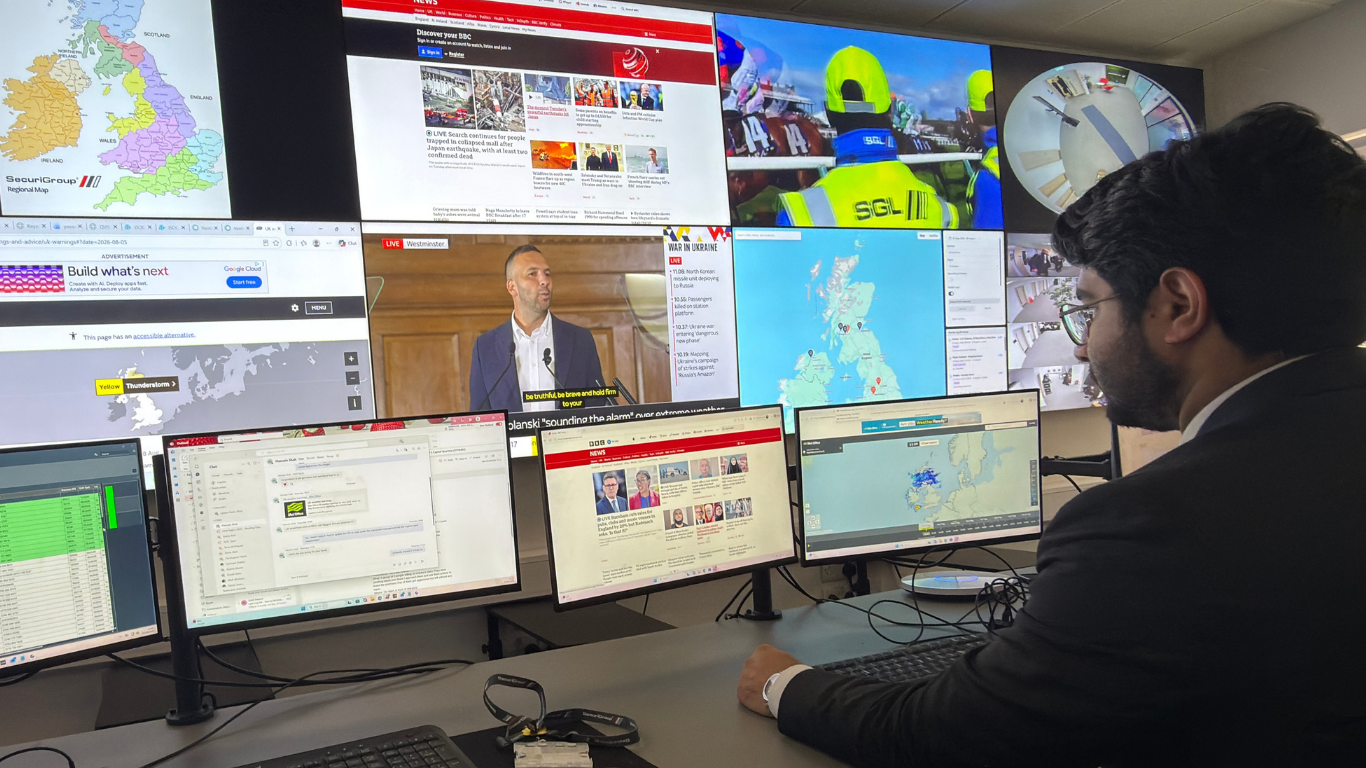
Learn how intelligence-led security supports event security planning, risk assessment and decision-making for events of all sizes.
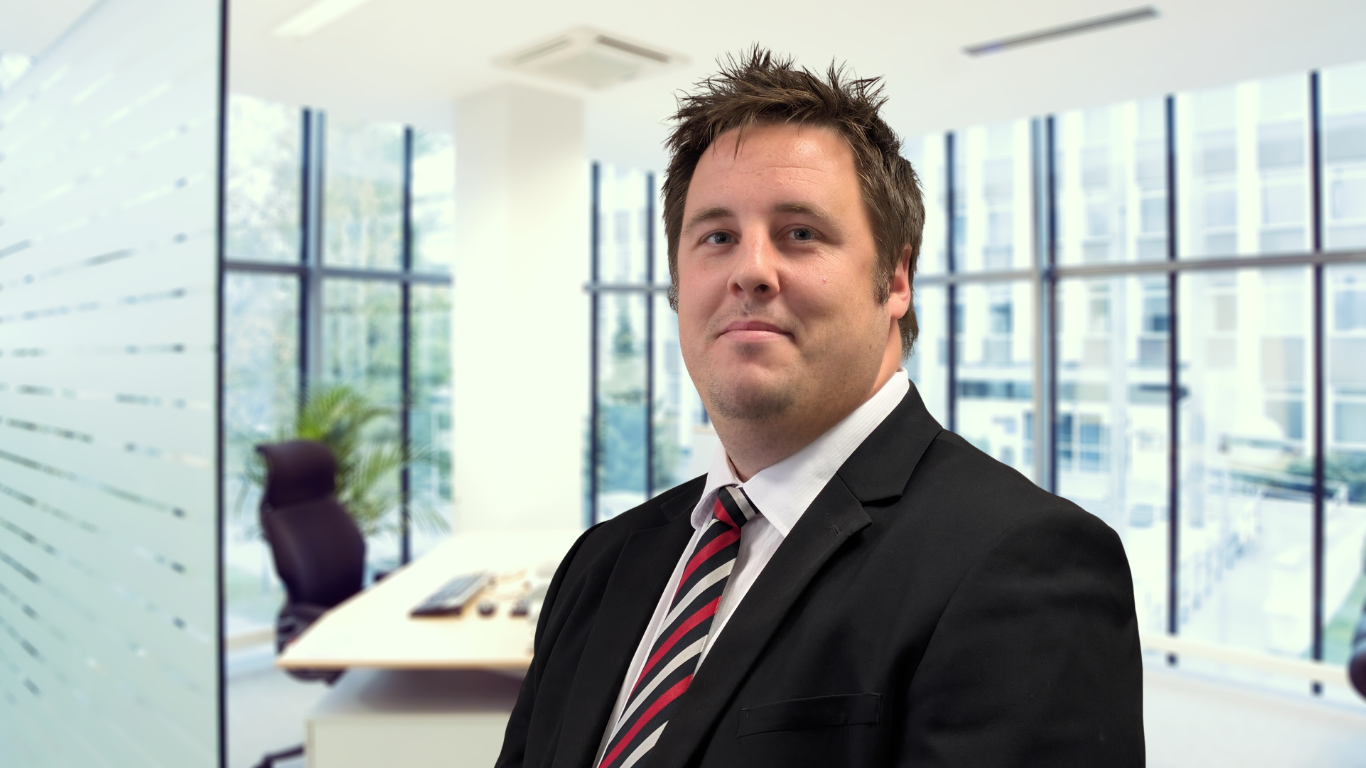
We're delighted to announce the promotion of Alex Bell to Head of Technology. Over 16 years with SecuriGroup, Alex's journey is a great example of the opportunities for progression within the business. Starting on the frontline and progressing through operational and technology roles, he has played a key part in the growth of both the organisation and its technology function. Commenting on the promotion, George Dunlop, Director of Technology, said: "Alex's promotion to Head of Technology is thoroughly deserved and reflects the leadership, dedication and expertise he has demonstrated throughout his career with the organisation." Congratulations, Alex, on this well-deserved achievement. To mark the occasion, we caught up with Alex to reflect on his career journey so far and what comes next. Q&A With Alex Bell Looking back on your 16 years with SecuriGroup, what have been some of the highlights? A huge highlight has always been my time working on the frontline with the Events team. I've had the opportunity to deliver security at landmark events including the Liverpool International Music Festival, Southbank Centre New Year's Eve celebrations and the UCI Cycling World Championships. Being able to travel across the country representing the organisation, while progressing from non-licensed stewarding through to senior management, is something I’ll always be proud of. Another standout has been seeing our technology department evolve. I've had the privilege of being part of its growth from a single part-time support role into a 13-strong multidisciplinary team. Today, we're not only supporting the business, but designing and delivering the systems, infrastructure, and tools that help our team do their jobs every day. Above all, the biggest highlight has been the people. From the breakroom to the boardroom, I've worked alongside people from all backgrounds and walks of life. Hearing their stories, sharing experiences, and supporting each other over the years has been incredibly rewarding. What are you most looking forward to in your new role as Head of Technology? I'm looking forward to making sure our technology genuinely supports the people doing the work. Having started on the frontline myself, my approach is based on common sense. That means listening to what people need, removing unnecessary complexity, and delivering reliable technology that helps them get on with the job. Technology should make life easier for people, and that's what I'll continue to focus on in this role. What advice would you give to people looking to progress their careers at SecuriGroup? There are two things that stand out to me. First, care about the standard of your work. Focus on the things you can control and look for ways to make them better. Small improvements, professional attitudes and attention to detail all add up over time. Second, say yes to new experiences. Put yourself forward for different opportunities, visit new locations, and get to know people across the business. SecuriGroup is built on relationships, and people remember the people who step up, support others, and get involved when it matters. Alex's career journey is a fantastic example of what's possible through hard work, commitment and a willingness to embrace new opportunities. We look forward to seeing him lead the next chapter of our technology function and wish him every success in his new role.
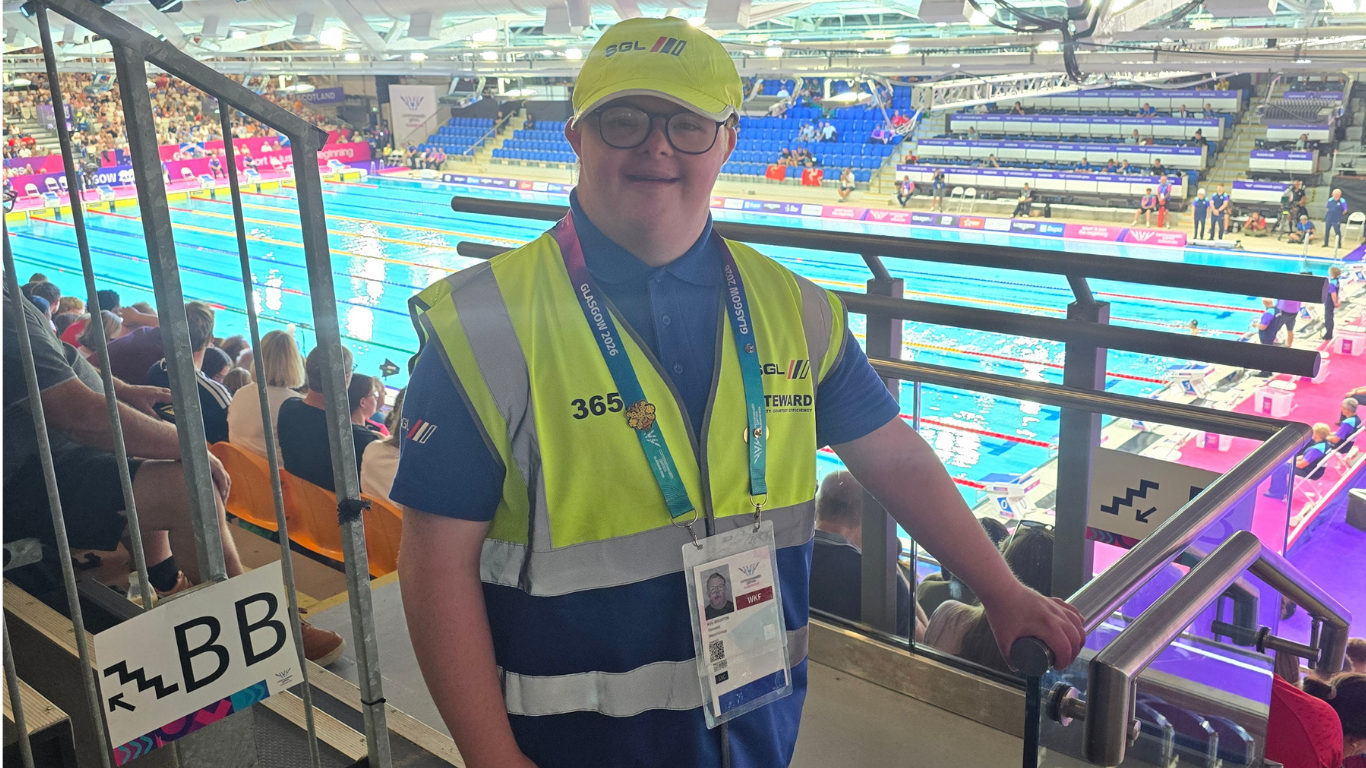
SecuriGroup and Down’s Syndrome Scotland break barriers at one of Scotland's biggest sporting events
A partnership between SecuriGroup and Down’s Syndrome Scotland is helping people with Down’s syndrome secure paid roles at one of Scotland's highest-profile sporting events, Glasgow 2026, challenging long-standing barriers to employment and creating new opportunities within the events and security sector. The initiative sees candidates gaining hands-on experience through paid event roles in a major event environment while building skills, confidence and independence. The programme comes at a time when employment inequalities remain significant across the UK. Government figures show that the employment rate for disabled people is 53.1%, compared with 81.6% for non-disabled people. For people with learning disabilities, the gap is even greater. Fewer than 5% of people with a learning disability are in paid employment, despite 86% of those without a paid job saying they would like one. Against that backdrop, the partnership between SecuriGroup and Down’s Syndrome Scotland is creating paid employment opportunities for individuals and the chance to gain experience within Scotland's events and security sector, while demonstrating the value of a more inclusive workforce. The individuals recruited through this partnership are not only contributing to the visitor experience but also developing transferable workplace skills that can support future careers. As employers across the security and events industries continue to focus on attracting and developing talent, the initiative highlights the importance of widening access to employment and creating pathways for people who are often overlooked despite having the ambition and ability to succeed. “Major sporting events bring people together and create unforgettable experiences for athletes, spectators and communities alike. We're incredibly proud to be creating paid employment opportunities for individuals as part of that journey. Every person involved in delivering an event of this scale plays an important role in its success. Seeing our team members build confidence, develop new skills and contribute to such a high-profile occasion demonstrates the positive impact these opportunities can have, both for the individual and for the wider industry.” , said John Gallacher, Operations Director at SecuriGroup. Monica O’Brien, Recruitment Manager at SecuriGroup, adds: "At SecuriGroup, we believe talent exists everywhere, but opportunity doesn't always. Our partnership with Down’s Syndrome Scotland is about creating meaningful pathways into employment and demonstrating what can be achieved when barriers are removed and potential is recognised. The security and events industries need diverse talent and different perspectives. By providing paid employment opportunities at a major event, we're helping individuals develop skills and confidence while showing employers the value that a truly inclusive workforce can bring. We hope this initiative encourages more organisations to look beyond traditional recruitment approaches and create opportunities for people who are ready and eager to work." Jo Davidson, Programme Lead at Down’s Syndrome Scotland said: "When someone with Down’s syndrome is given an equal chance to work, it changes everything. Having a meaningful job transforms lives - improving health, boosting mental wellbeing, and creating a sense of independence and purpose. Above all, it creates visibility in the workplace, challenging outdated stereotypes and shifting company culture. That’s why this partnership with SecuriGroup is so vital. An event like this isn't just work; it’s an opportunity to build confidence, gain real skills, and show employers what’s possible.” The partnership reflects a shared commitment to improving accessibility, widening participation and helping more people with Down syndrome gain access to meaningful work opportunities. While people with learning disabilities remain among the least likely groups to be in employment, this partnership demonstrates what is possible when organisations are willing to invest in potential, challenge perceptions and create opportunities that empower people to succeed. As Scotland welcomes thousands of visitors, athletes and officials, the initiative offers a powerful example of inclusion in action, proving that opportunity, support and belief can unlock talent in every community.