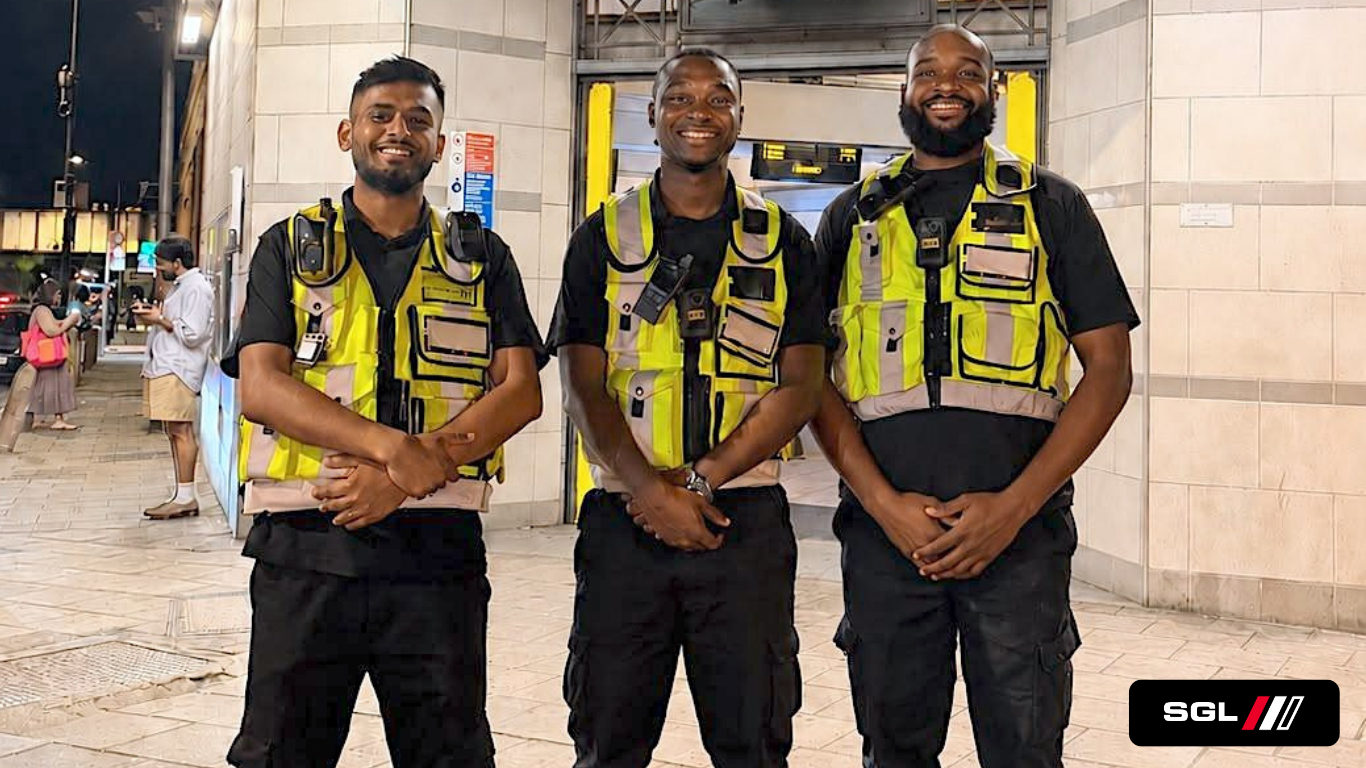
Discover how SGL support Clapham's Business Improvement District (BID), This is Clapham, by creating a safe and welcoming environment for the community.
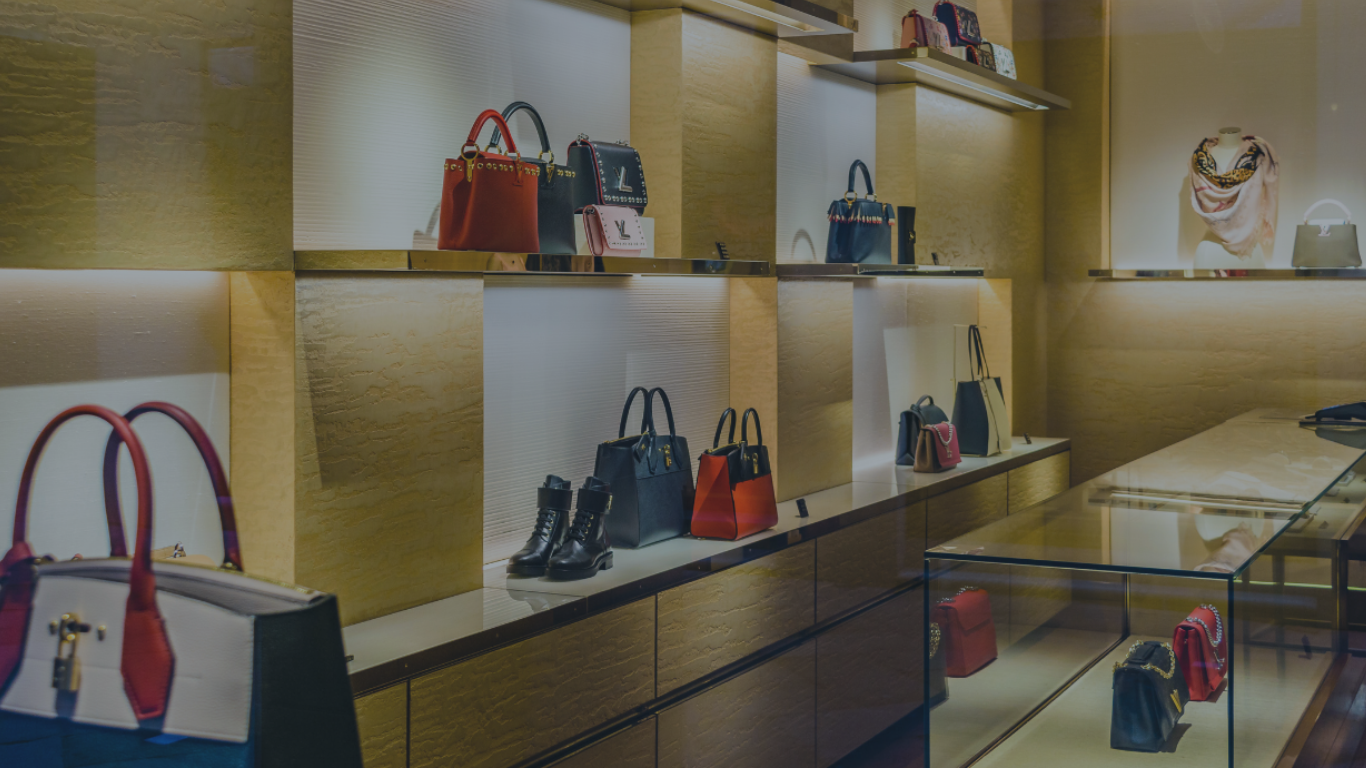
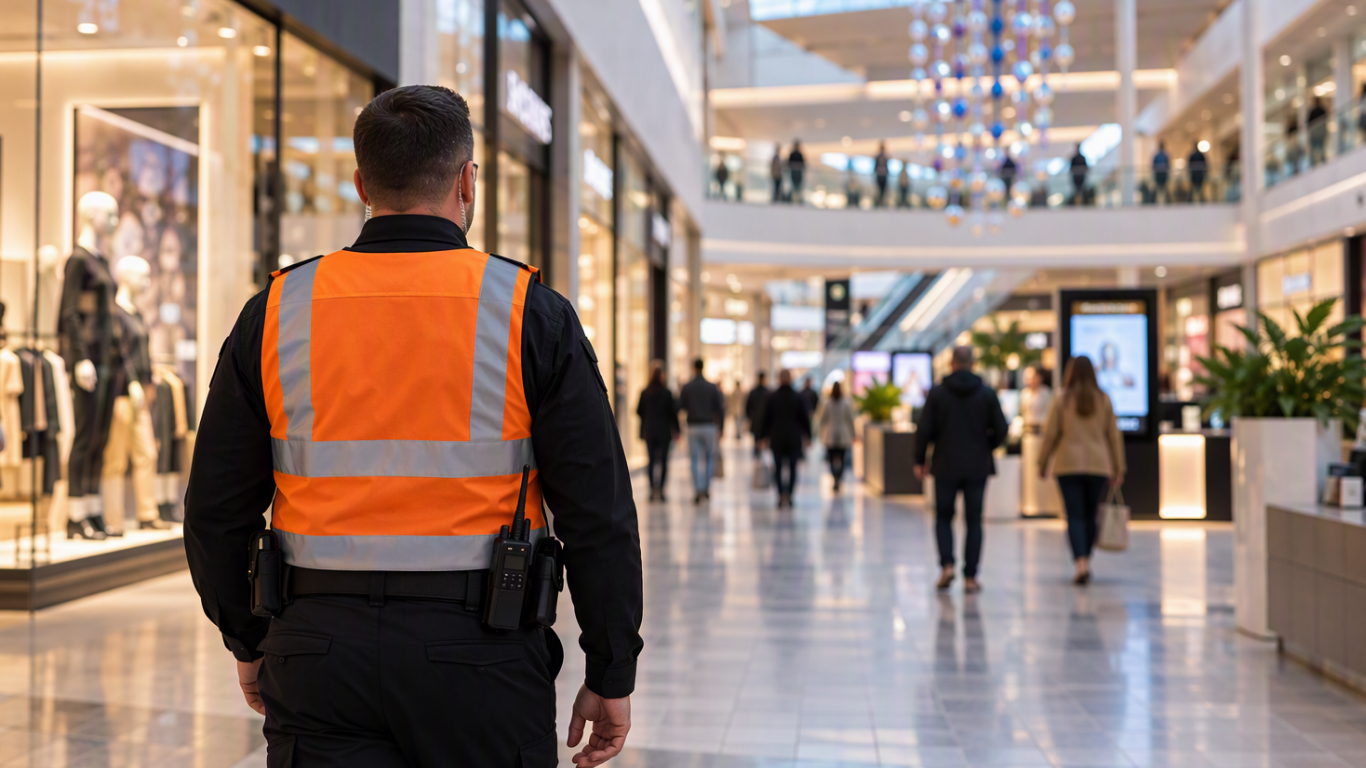
Learn how to strengthen luxury retail security, protect high-value products and reduce risk while supporting the customer experience.
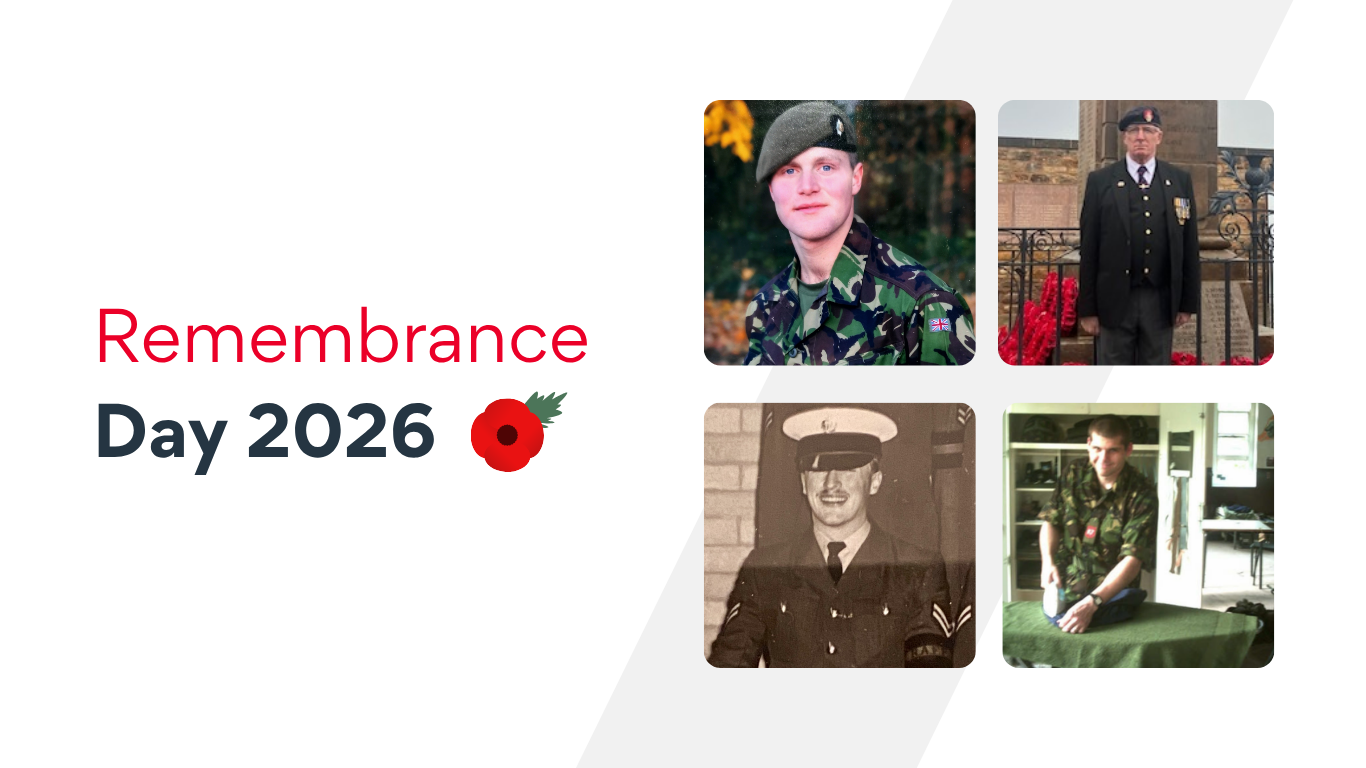
Remembrance Day is an opportunity to pause, reflect, and remember the courage and sacrifice of those who have served in the Armed Forces. At SecuriGroup , veterans are at the heart of our business and operations, bringing their experience into roles across our teams. As a Bronze Award holder through the Armed Forces Covenant , we're proud to support the Armed Forces community and those building careers beyond military service. This Remembrance Day, we asked some of our colleagues who have served what the day means to them, how their military experience continues to shape their careers and what they would say to others making the transition into civilian work. Meet our colleagues Iain McKai, Security Supervisor Iain served as a Royal Marine before bringing his experience into his current role as Security Supervisor with SecuriGroup. Paul Blackhurst, Area Manager Paul joined SecuriGroup following a career in the British Army and, as a relatively recent service leaver, is now working as an Area Manager. Daryn Clements, Contracts Manager Daryn joined the British Army at just 15 years and 9 months old. Today, he draws on that experience in his role as Contracts Manager with SecuriGroup. Nadine Fulthorpe, HR Engagement Officer Nadine spent more than 20 years in the British Army, serving as a Senior Combat Human Resource Specialist. She is now part of SecuriGroup's HR team as an HR Engagement Officer. Daniel Heywood, Area Manager During his eight years in the Armed Forces, Daniel worked as an air traffic controller. He has since moved into the security industry and is an Area Manager with SecuriGroup. Frank Baker, Regional Manager Frank served for 12 years as a Royal Air Force Policeman before moving into civilian employment. He now works as a Regional Manager with SecuriGroup. Kenneth McGuigan, Security Officer Kenneth served for over 25 years in the Royal Army Ordnance Corps, a supply and logistics corp of the British Army, and is now a Security Officer at SecuriGroup. What does Remembrance Day mean to you? For Paul , it's a day closely connected to the people he served alongside: “Remembrance Day to me, is a personal reflection day where I look back on my time spent serving and the friends I made and the friends I lost. Numerous operational tours meant I lost quite a few close friends and even though I think about them very often, having a day set aside makes it a special time for contemplation and remembrance.” Daryn also sees the day as an opportunity to reflect on the lasting impact of service: “To me, Remembrance Day is a time to reflect on and honour the courage, commitment and sacrifices made by members of our Armed Forces, both past and present. Having served, I have an appreciation of the commitment that comes with wearing the uniform and the responsibilities that service brings. It’s also a time to remember those who never returned home, those who were injured, and the families whose lives have been changed by conflict. I believe remembrance should be more than a moment of silence once a year. It should be about ensuring that the sacrifices made by previous generations are never forgotten and that future generations understand the importance of their service. That’s why I wear a poppy all year round, not just for one day.” Frank 's thoughts turn to friends and colleagues who are no longer here: “It is a day when I pause and remember friends and colleagues who are no longer with us. It is a time for reflection when I remember all those who have fallen across the world in conflict, from all sides! Doing what they thought was the right thing and paying the ultimate price.” Kenneth also reflects on those who have served across generations: “At 11:00am on the 11th of November I attend the parade with my friends and fellow veterans to honour the millions of soldiers who have died or been injured in all subsequent conflicts and peacekeeping operations. And I feel so proud of myself to have been a part of this historical event.” What skills from your military career do you still use today? For Iain , many of the skills developed in the military have transferred directly into security: “During my military career, I developed a range of skills that I continue to use every day in the security industry. Discipline, vigilance, and situational awareness are essential in both environments and help me identify and respond to potential risks quickly and effectively. I also learned the importance of teamwork, communication, and working under pressure, which enables me to remain calm and make sound decisions during incidents or emergencies. Leadership, conflict management, and attention to detail are further skills that have transferred directly from military service to security work, helping me maintain safety, professionalism, and high standards of customer service.” Discipline is also the skill Daniel immediately points to: “Basically everything I learnt in the military I carry around with me today, discipline being the main one.” Nadine continues to draw on many of the same qualities in her work: “The skills I continue to use today include discipline, professionalism and a strong work ethic. My military career taught me the importance of taking responsibility, remaining focused under pressure and always striving to complete tasks to the best of my ability. These skills continue to support me in delivering high standards of work and working effectively as part of a team.” How has your military experience shaped the way you work with people? For Daryn , some of the biggest lessons have been around trust, respect and leading by example: “My military experience taught me that successful teams are built on trust, respect, communication and a shared sense of purpose. I learned the importance of looking out for those around you, recognising that everyone has a role to play and that no individual is bigger than the team. I believe in leading by example rather than simply giving instructions. Having experienced the importance of good leadership myself, I understand the difference that a supportive, approachable and accountable leader can make to an individual and a team.” Paul 's move into civilian employment has also meant learning to work with people who may approach things very differently: “As a relatively new service leaver (within the past 2 years) working with people outside the forces community has proven the most difficult. These are two different walks of life and the mindset; motivations and work ethic are completely different. Not to say that either is better, however most people in the military have a set way of working, and a regimented regime can take away most aspects of personality which results in a singular driven workforce. Outside the military, personality is a big key in the workplace – understanding every single person's different motivation and way of working is key to assimilating into the workplace.” For Frank , teamwork and looking out for others remain central: “Teamwork and team building. Each of us needs to perform so we can all deliver, and we all need to support each other in this process. I believe that most issues can be identified before they become a major concern and early interaction stops them escalating.” For Kenneth , his experience reinforced the value of bringing people together around a common goal: “My military experience has given me the knowledge and the know how to obtain the best out of someone and make them feel part of a well-disciplined team all moving in the same direction to meet the same goal.” What do you wish employers understood about veterans? Iain would like employers to look beyond an individual's military job title: “I wish employers understood that veterans bring far more than military skills. We are used to working under pressure, adapting to change, leading teams, solving problems, and taking responsibility for difficult decisions. While our military experience may not always match civilian job titles, the skills behind that experience are highly transferable.” For Nadine , the value veterans can bring is clear: “Veterans bring a wealth of transferable skills, strong work ethic, resilience and leadership experience that can add real value to any organisation.” Daniel raises another important part of that conversation, the support veterans may sometimes need: “I wish employers understood that veterans need support on occasions, mental health being the main one... This is very different to someone who has not served and requires a very different approach.” What advice would you give someone moving from the Forces into civilian work? Paul 's advice reflects his own relatively recent experience of making that move: “Take your time, things are going to be wildly different, people make mistakes, people have different drivers than you, people want different things and people do not care how fast you can run 8 miles! Bring your work ethic, bring your experience but above all remember, the people you are going to work with have lived a completely different life, so take some time to understand them too.” Daniel recommends making use of the support available before leaving: “Before you leave the military use all the tools and training on offer which will help with the transition.” And Frank 's advice is to have confidence in how military service has prepared you for what comes next: “Don’t be afraid of the challenge. Civilian workplaces have their challenges, but the time spent in the services has prepared you to meet and overcome any challenge that you may find.” We will remember them This Remembrance Day, we remember those who gave their lives in service and recognise Armed Forces personnel past and present, including the veterans who are now part of our teams at SecuriGroup. We will remember them.
SecuriGroup and ISRM announce partnership to support professional development, knowledge sharing, and collaboration across the security and risk management sectors.
SecuriGroup has been named a finalist for the ROCCO Award for Environmental Sustainability.
SecuriGroup and SecuriGroup Leisure (SGL), have been named as finalists across five categories at the 2026 Security & Fire Awards for Excellence.
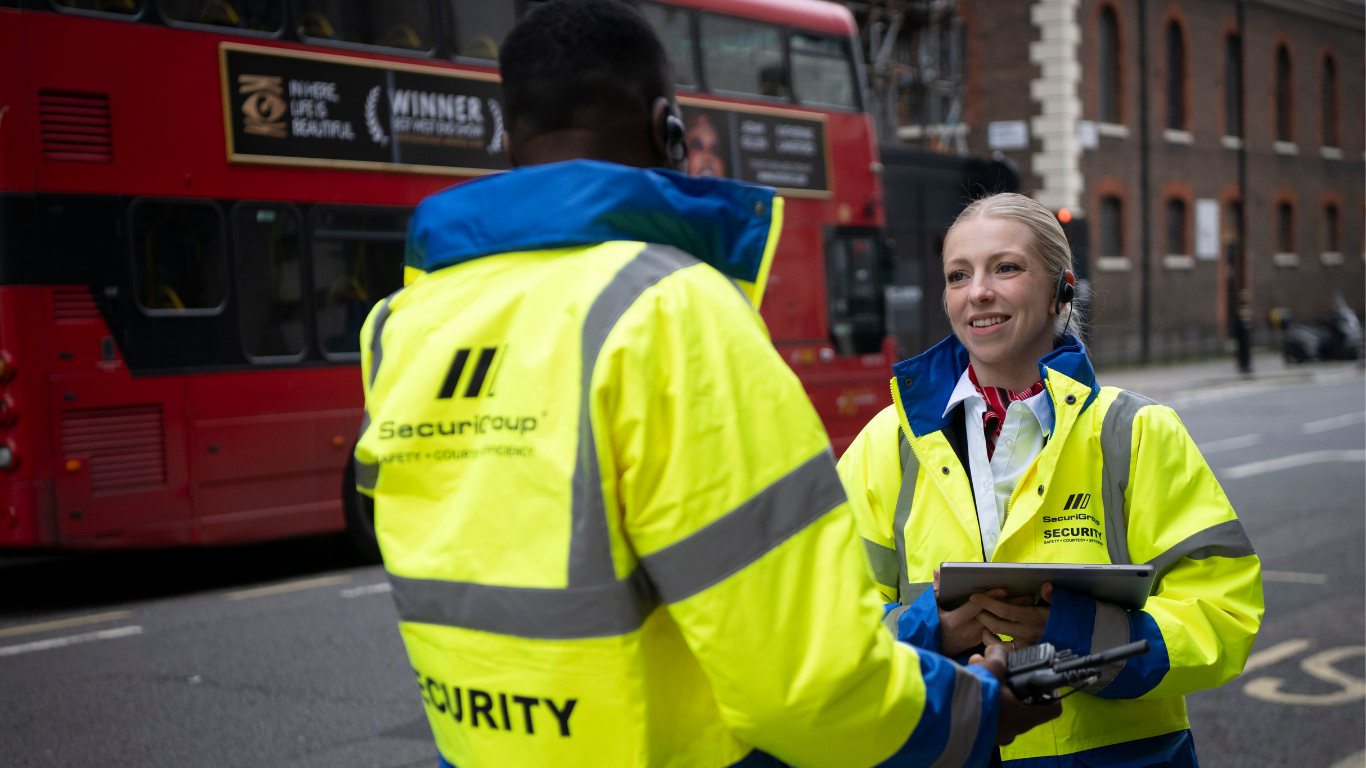
Choosing a security company? Discover 7 questions to ask before appointing a security provider, from accreditation and training to technology, support and experience.

SGL celebrates one year at the OVO Hydro, delivering security for 147 events, 34,000+ shifts and thousands of visitors at one of the UK's top venues.

Discover how intelligence, technology and security personnel combine to create a resilient data centre security strategy.
We’re proud to continue our support of Stamp Out Spiking, the UK charity campaigning to tackle spiking and raise awareness of its impact.