Luxury Retail Security: Protecting People, Products and the Customer Experience
November 12, 2026

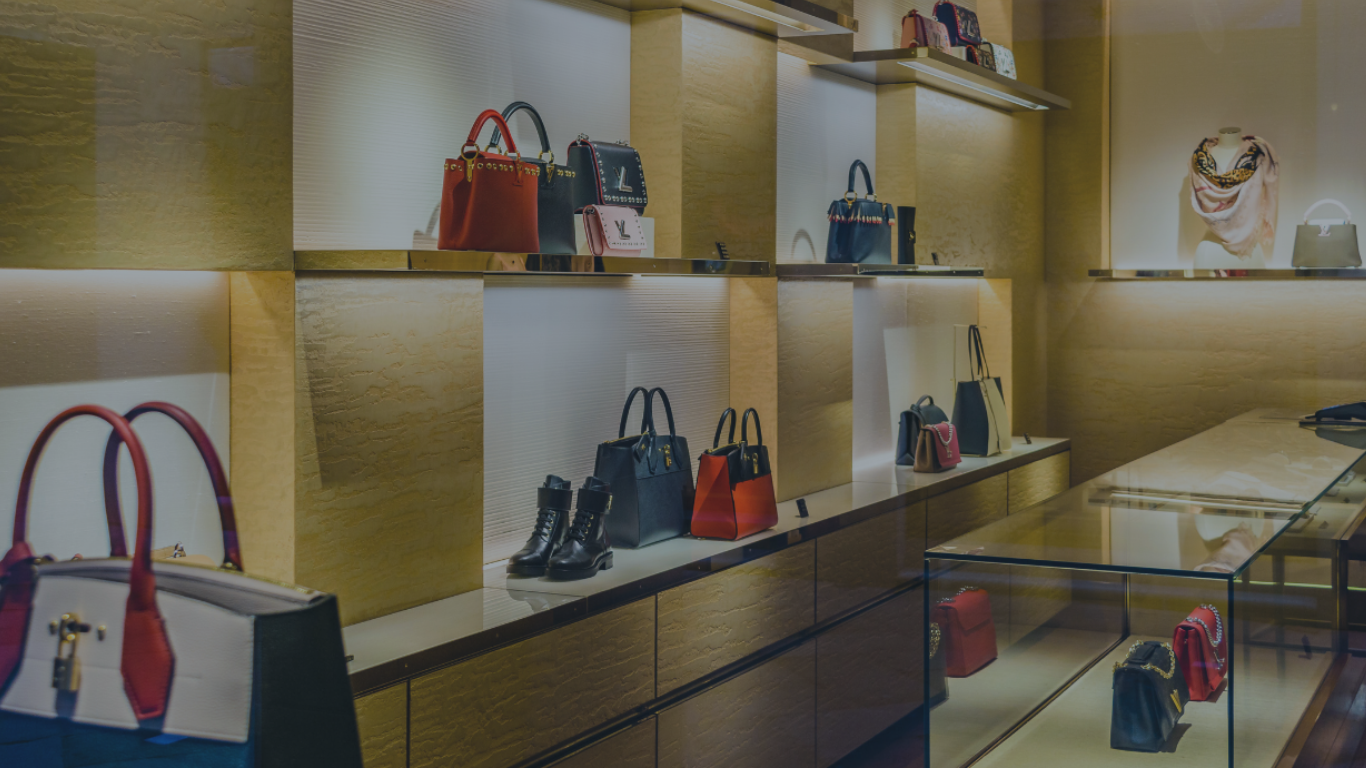
Luxury retail security has to strike a careful balance.

High-value products remain attractive targets for theft and organised crime, while
security teams also need to protect colleagues, customers and the wider store environment. All of this sits within a setting where service, presentation and customer experience are central to the brand.

For security and loss prevention teams, effective protection
needs to work with the store, its customers and the way products are sold. That means understanding where the greatest exposure sits, how security officers are deployed, where technology can strengthen coverage and what incident information is telling you about changing risks.

Whether you're reviewing existing security or appointing a new provider,
that understanding should come first.


Before deciding on officer numbers, technology or additional measures, you need a clear picture of where your store is most exposed.


Understand where your store is most exposed


A good security review starts with the store itself.

Consider where your highest-value products are displayed, how customers move around the space, where visibility is limited, and which areas are most difficult for colleagues to oversee.

The review should extend beyond the shop floor. Stockrooms, delivery points, staff entrances and the movement of high-value products all need to be considered as part of the wider security picture.

Previous incidents can give you a clearer picture of where to concentrate your attention. Look for repeated thefts, frequently targeted products, common methods or locations, and any changes in the type of incidents being reported.

Location can introduce different risks. A flagship on a busy city centre shopping street may face different challenges from a boutique within a managed shopping destination or a store with controlled customer access.

Use that picture to review where officers are positioned, whether CCTV covers the right areas and where controls around access, stock or deliveries may need strengthening.


Build protection around high-value products


High-value products need careful protection, but security measures still need to allow customers to browse, interact with products and receive the level of service expected within a luxury store.

Consider where products may be more exposed to theft because they're easy to conceal, positioned in areas with limited visibility or regularly targeted.


Store layout, product displays and how customers move through the space can all affect how easy suspicious behaviour is to spot.

From there, consider the layers of protection already in place.

CCTV can improve visibility across displays and customer areas. Access control can help manage entry into stockrooms and restricted areas, while
security officers provide deterrence, observation and an immediate response on the shop floor.

CCTV, officers, access control and product protection should support the same security operation.


If CCTV identifies suspicious behaviour, for example, information needs to reach the right person on the shop floor quickly. When the same product is repeatedly targeted, incident reporting should help security teams identify that trend and adjust coverage.

Clear communication between each part of the security operation helps teams respond faster and adapt coverage when risks change.


Choose officers who understand luxury retail


Security officers working in luxury retail need to read the environment around them.

They may need to recognise suspicious behaviour, respond to an incident, support a colleague and speak with a customer during the same shift.
Judgement, communication and situational awareness are essential.

When reviewing security provision, look at how officers are selected and prepared for customer-facing luxury environments.

Relevant qualities include:

  • Strong communication and customer service skills
  • Situational awareness
  • Conflict management and de-escalation
  • Professional presentation
  • Sound judgement
  • Knowledge of store procedures
  • Confidence dealing with challenging situations
  • An understanding of the retailer's service standards 


Officers also need the judgement to respond appropriately. Following a genuine customer too closely, handling an interaction badly or escalating a situation unnecessarily can affect both that customer and others around them.

Experienced officers need to recognise when intervention is required and handle it professionally.

Combining security awareness with good customer service matters in stores where every customer interaction reflects on the brand.


Get the level of visibility right


Visible security can have an important deterrent effect, but it should be considered in the context of the store.

Entrances, high-value displays and busy customer areas may benefit from an obvious officer presence. In other parts of the store, CCTV, loss prevention activity or remote monitoring may provide better oversight.

Think about how each area is used, what happens there, and the risks you already know about.

A high-value display that's regularly targeted may require close observation and a nearby response. A stockroom may be better protected through controlled access and clearly managed permissions.


Areas with poor sightlines may benefit from changes to CCTV coverage.


Officer deployment can then be reviewed against known risks, customer flow and incident patterns, rather than remaining fixed regardless of what's happening in the store.


Keep security aligned with the customer experience


In luxury retail, the standard of service customers experience extends across everyone they encounter on the shop floor, including security officers.

Their primary responsibilities remain security and safety, but the role can involve customer interaction too, from giving directions and answering straightforward questions to managing queues or supporting colleagues during a difficult situation.

The way incidents are handled also has an impact beyond the people directly involved.

A confrontation in a busy store can quickly attract attention and cause concern for customers nearby. Strong communication and de-escalation skills can help officers manage situations calmly while keeping disruption to the wider store to a minimum.

Luxury retailers should
consider these customer-facing skills when appointing a security provider and when reviewing how their existing team is performing.


Use incident reporting to understand what you're seeing


Good incident reporting gives retailers more than a record of what's happened.

Over time, it can reveal patterns across
products, locations, times, and behaviours.

That could include:

  • Products being repeatedly targeted
  • Incidents concentrated around certain displays
  • Similar methods being used across several thefts
  • Repeat individuals or groups
  • Activity occurring at common times
  • Related incidents across different store locations 


Repeated activity can become more significant when the same methods, individuals or targeted products appear across multiple locations. Sharing relevant incident information across an estate can help teams identify coordinated activity earlier and prepare other stores that may be at risk.

Those patterns can inform changes to officer deployment, CCTV monitoring, colleague briefings and product protection.


Intelligence can add wider context to that store-level information through crime trend analysis, threat identification, incident pattern reporting and retail crime intelligence sharing.


Plan security around launches, VIP visits and high-profile activity


Product launches, VIP visits and other high-profile activity can change how people move through the store and where additional security attention is needed.

There may be higher footfall, queues outside the store, increased interest in certain products, restricted areas and additional employees, contractors or guests requiring access.

Security planning should form part of the preparation.


Review expected footfall, access arrangements, high-value merchandise, queue management, officer deployment and CCTV coverage ahead of the activity. If VIPs or executives are attending, their arrival, movement through the store and departure may also require additional planning.

The same applies when stores introduce highly anticipated or limited collections. Additional attention around a product can change where pressure appears within the store, even if overall footfall remains manageable.

A focused security plan
allows teams to account for those changes before customers arrive.


Review your security as risks change


Regular security reviews can highlight vulnerabilities that aren't obvious during normal day-to-day operations.

They can also identify where resources are no longer being used effectively.

It may be worth reviewing your arrangements following:

  • An increase in theft or attempted theft
  • Repeated targeting of the same products
  • Changes to store layout
  • A refurbishment or store opening
  • Changes to stockroom or delivery arrangements
  • New high-value product lines
  • Changes in local crime or intelligence
  • Persistent gaps in CCTV coverage
  • Recurring incidents across several stores 


A review might identify a need for additional coverage, but it could equally show an opportunity to reposition officers, adjust patrols, improve CCTV visibility, change access permissions or make better use of incident reporting.

This keeps security focused on the incidents, vulnerabilities and wider risks affecting the store or estate now.


What to look for in a luxury retail security provider


A potential security provider should be able to show how their service would work within your stores, from officer selection and management to reporting, technology and ongoing security reviews.

Relevant luxury retail experience is important. Ask for examples from comparable environments and look beyond the client name to understand the work involved. A useful case study should explain the risks involved, the approach taken and what the security team delivered.

Officer selection also deserves close attention. Ask how people are chosen for luxury retail roles, what training they receive and how customer service, conflict management and de-escalation are covered.

You should also understand how the provider will:

  • Assess vulnerabilities across your stores
  • Manage and support officers day to day
  • Work with your existing CCTV and security technology
  • Record and report incidents
  • Identify recurring patterns or emerging risks
  • Share relevant intelligence
  • Measure and review security performance


How will the service adapt?


Your security needs will evolve as stores, products and risks develop.

Ask how often the provider will review the service with you, what information they'll bring to those reviews and how recommendations will be made.

If theft begins concentrating around a particular product, for example, you should understand how quickly that trend would be identified and what could change in response. The same applies if an existing CCTV blind spot emerges after a store redesign or intelligence indicates increased activity affecting similar retailers.

That ongoing review is an important part of keeping security relevant to what's happening across your stores.


Strengthening luxury retail security


Strong luxury retail security comes from understanding where risks sit across the store, putting the right people and technology around them, and using incident information and intelligence to keep that approach under review.

For luxury retailers, that security also needs to work within a customer-facing environment where service, presentation and the way situations are handled all matter.

At
SecuriGroup, we support luxury retailers, flagship stores, designer boutiques, jewellery brands and premium shopping destinations through customer-facing security, loss prevention, security technology and intelligence-led risk management. Our luxury retail services bring people, technology and intelligence together around the individual retail environment.

If you're reviewing your current luxury retail security provision or looking for a new security partner,
get in touch to discuss your stores, current challenges and security requirements.


Share this article

Recent Posts

By Laura Imrie • November 11, 2026
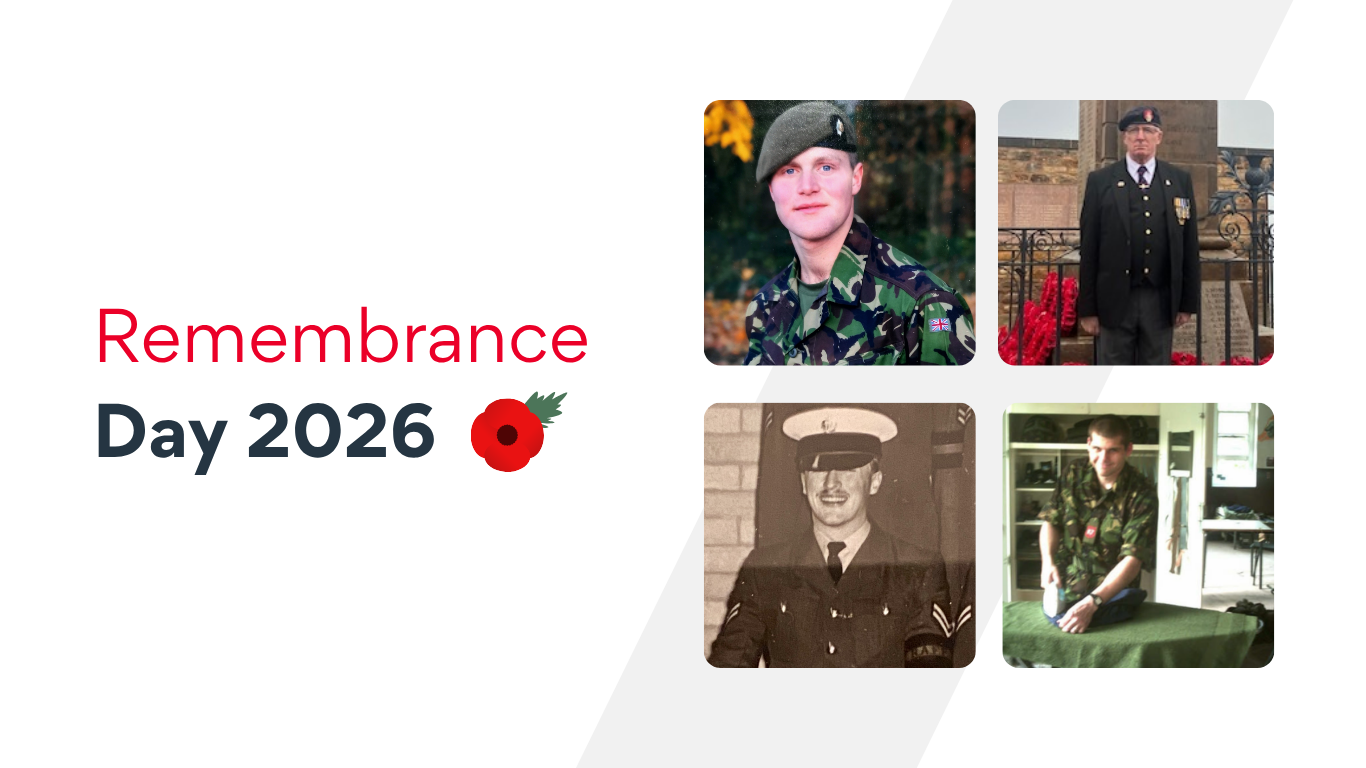
Remembrance Day is an opportunity to pause, reflect, and remember the courage and sacrifice of those who have served in the Armed Forces. At SecuriGroup , veterans are at the heart of our business and operations, bringing their experience into roles across our teams. As a Bronze Award holder through the Armed Forces Covenant , we're proud to support the Armed Forces community and those building careers beyond military service. This Remembrance Day, we asked some of our colleagues who have served what the day means to them, how their military experience continues to shape their careers and what they would say to others making the transition into civilian work. Meet our colleagues Iain McKai, Security Supervisor Iain served as a Royal Marine before bringing his experience into his current role as Security Supervisor with SecuriGroup. Paul Blackhurst, Area Manager Paul joined SecuriGroup following a career in the British Army and, as a relatively recent service leaver, is now working as an Area Manager. Daryn Clements, Contracts Manager Daryn joined the British Army at just 15 years and 9 months old. Today, he draws on that experience in his role as Contracts Manager with SecuriGroup. Nadine Fulthorpe, HR Engagement Officer Nadine spent more than 20 years in the British Army, serving as a Senior Combat Human Resource Specialist. She is now part of SecuriGroup's HR team as an HR Engagement Officer. Daniel Heywood, Area Manager During his eight years in the Armed Forces, Daniel worked as an air traffic controller. He has since moved into the security industry and is an Area Manager with SecuriGroup. Frank Baker, Regional Manager Frank served for 12 years as a Royal Air Force Policeman before moving into civilian employment. He now works as a Regional Manager with SecuriGroup. Kenneth McGuigan, Security Officer Kenneth served for over 25 years in the Royal Army Ordnance Corps, a supply and logistics corp of the British Army, and is now a Security Officer at SecuriGroup.  What does Remembrance Day mean to you? For Paul , it's a day closely connected to the people he served alongside: “Remembrance Day to me, is a personal reflection day where I look back on my time spent serving and the friends I made and the friends I lost. Numerous operational tours meant I lost quite a few close friends and even though I think about them very often, having a day set aside makes it a special time for contemplation and remembrance.” Daryn also sees the day as an opportunity to reflect on the lasting impact of service: “To me, Remembrance Day is a time to reflect on and honour the courage, commitment and sacrifices made by members of our Armed Forces, both past and present. Having served, I have an appreciation of the commitment that comes with wearing the uniform and the responsibilities that service brings. It’s also a time to remember those who never returned home, those who were injured, and the families whose lives have been changed by conflict. I believe remembrance should be more than a moment of silence once a year. It should be about ensuring that the sacrifices made by previous generations are never forgotten and that future generations understand the importance of their service. That’s why I wear a poppy all year round, not just for one day.” Frank 's thoughts turn to friends and colleagues who are no longer here: “It is a day when I pause and remember friends and colleagues who are no longer with us. It is a time for reflection when I remember all those who have fallen across the world in conflict, from all sides! Doing what they thought was the right thing and paying the ultimate price.” Kenneth also reflects on those who have served across generations: “At 11:00am on the 11th of November I attend the parade with my friends and fellow veterans to honour the millions of soldiers who have died or been injured in all subsequent conflicts and peacekeeping operations. And I feel so proud of myself to have been a part of this historical event.” What skills from your military career do you still use today? For Iain , many of the skills developed in the military have transferred directly into security: “During my military career, I developed a range of skills that I continue to use every day in the security industry. Discipline, vigilance, and situational awareness are essential in both environments and help me identify and respond to potential risks quickly and effectively. I also learned the importance of teamwork, communication, and working under pressure, which enables me to remain calm and make sound decisions during incidents or emergencies. Leadership, conflict management, and attention to detail are further skills that have transferred directly from military service to security work, helping me maintain safety, professionalism, and high standards of customer service.” Discipline is also the skill Daniel immediately points to: “Basically everything I learnt in the military I carry around with me today, discipline being the main one.” Nadine continues to draw on many of the same qualities in her work: “The skills I continue to use today include discipline, professionalism and a strong work ethic. My military career taught me the importance of taking responsibility, remaining focused under pressure and always striving to complete tasks to the best of my ability. These skills continue to support me in delivering high standards of work and working effectively as part of a team.” How has your military experience shaped the way you work with people? For Daryn , some of the biggest lessons have been around trust, respect and leading by example: “My military experience taught me that successful teams are built on trust, respect, communication and a shared sense of purpose. I learned the importance of looking out for those around you, recognising that everyone has a role to play and that no individual is bigger than the team. I believe in leading by example rather than simply giving instructions. Having experienced the importance of good leadership myself, I understand the difference that a supportive, approachable and accountable leader can make to an individual and a team.” Paul 's move into civilian employment has also meant learning to work with people who may approach things very differently: “As a relatively new service leaver (within the past 2 years) working with people outside the forces community has proven the most difficult. These are two different walks of life and the mindset; motivations and work ethic are completely different. Not to say that either is better, however most people in the military have a set way of working, and a regimented regime can take away most aspects of personality which results in a singular driven workforce. Outside the military, personality is a big key in the workplace – understanding every single person's different motivation and way of working is key to assimilating into the workplace.” For Frank , teamwork and looking out for others remain central: “Teamwork and team building. Each of us needs to perform so we can all deliver, and we all need to support each other in this process. I believe that most issues can be identified before they become a major concern and early interaction stops them escalating.” For Kenneth , his experience reinforced the value of bringing people together around a common goal: “My military experience has given me the knowledge and the know how to obtain the best out of someone and make them feel part of a well-disciplined team all moving in the same direction to meet the same goal.” What do you wish employers understood about veterans? Iain would like employers to look beyond an individual's military job title: “I wish employers understood that veterans bring far more than military skills. We are used to working under pressure, adapting to change, leading teams, solving problems, and taking responsibility for difficult decisions. While our military experience may not always match civilian job titles, the skills behind that experience are highly transferable.” For Nadine , the value veterans can bring is clear: “Veterans bring a wealth of transferable skills, strong work ethic, resilience and leadership experience that can add real value to any organisation.” Daniel raises another important part of that conversation, the support veterans may sometimes need: “I wish employers understood that veterans need support on occasions, mental health being the main one... This is very different to someone who has not served and requires a very different approach.” What advice would you give someone moving from the Forces into civilian work? Paul 's advice reflects his own relatively recent experience of making that move: “Take your time, things are going to be wildly different, people make mistakes, people have different drivers than you, people want different things and people do not care how fast you can run 8 miles! Bring your work ethic, bring your experience but above all remember, the people you are going to work with have lived a completely different life, so take some time to understand them too.” Daniel recommends making use of the support available before leaving: “Before you leave the military use all the tools and training on offer which will help with the transition.” And Frank 's advice is to have confidence in how military service has prepared you for what comes next: “Don’t be afraid of the challenge. Civilian workplaces have their challenges, but the time spent in the services has prepared you to meet and overcome any challenge that you may find.” We will remember them This Remembrance Day, we remember those who gave their lives in service and recognise Armed Forces personnel past and present, including the veterans who are now part of our teams at SecuriGroup. We will remember them.
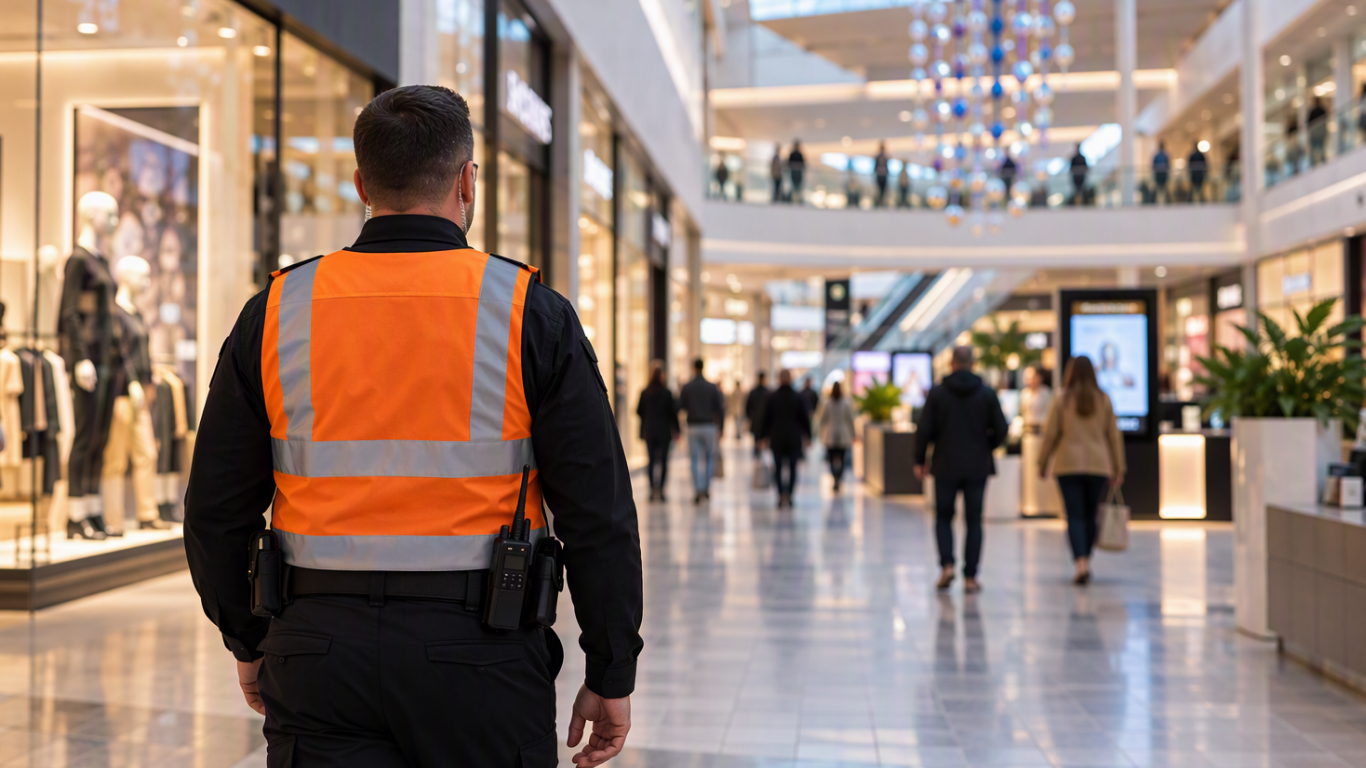
Peak retail security
By Laura Imrie • October 30, 2026
Prepare your store for Black Friday, Christmas and peak trading with practical retail security tips covering theft, CCTV, staff safety and more.
SecuriGroup and ISRM Announce Partnership
By Laura Imrie • October 28, 2026
SecuriGroup and ISRM announce partnership to support professional development, knowledge sharing, and collaboration across the security and risk management sectors.
 ROCCO Award for Environmental Sustainability Finalist - SecuriGroup
By Laura Imrie • October 22, 2026
SecuriGroup has been named a finalist for the ROCCO Award for Environmental Sustainability.
2026 Security & Fire Awards for Excellence finalists
By Laura Imrie • October 12, 2026
SecuriGroup and SecuriGroup Leisure (SGL), have been named as finalists across five categories at the 2026 Security & Fire Awards for Excellence.
How to choose a security company
By Laura Imrie • October 2, 2026
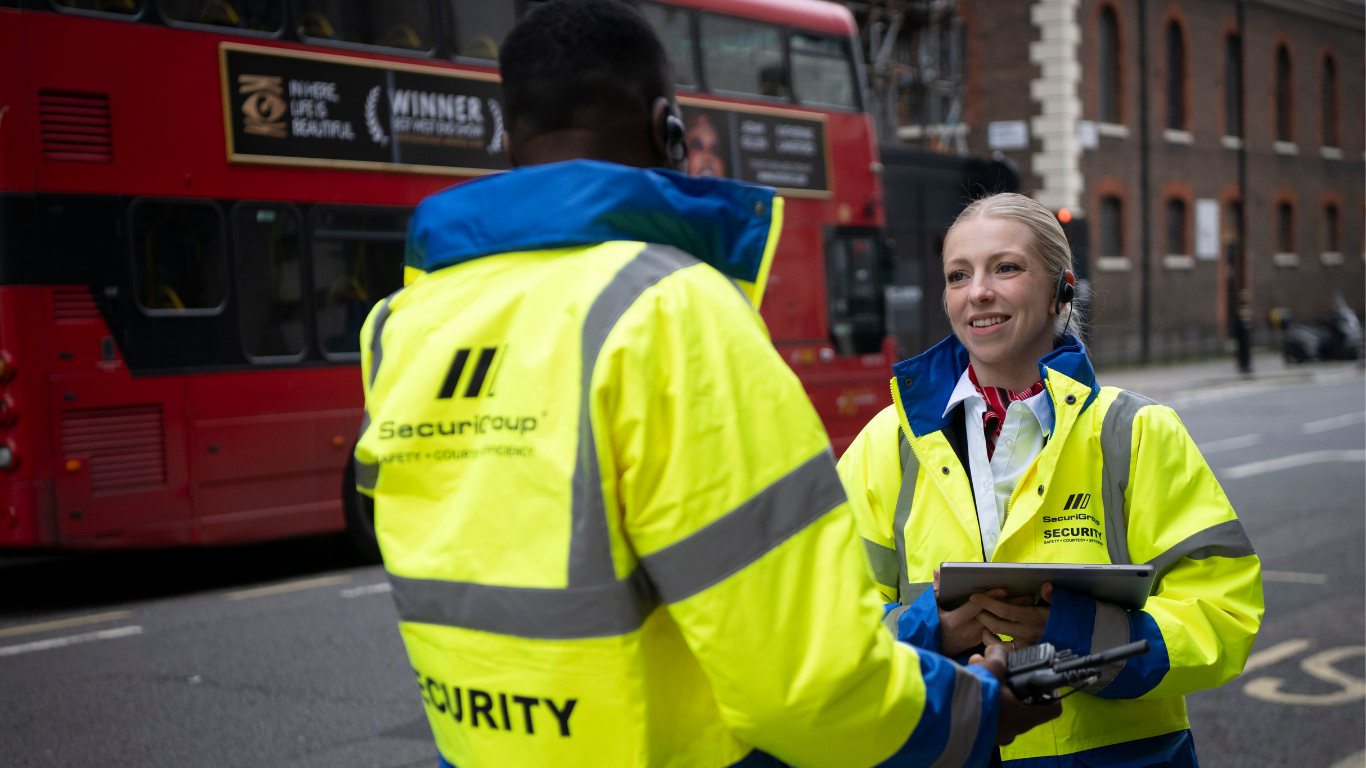
Choosing a security company? Discover 7 questions to ask before appointing a security provider, from accreditation and training to technology, support and experience.

By Laura Imrie • October 2, 2026
SGL celebrates one year at the OVO Hydro, delivering security for 147 events, 34,000+ shifts and thousands of visitors at one of the UK's top venues.

By Sarah Jenkins • September 28, 2026
Discover how intelligence, technology and security personnel combine to create a resilient data centre security strategy.
By Laura Imrie • September 28, 2026
We’re proud to continue our support of Stamp Out Spiking, the UK charity campaigning to tackle spiking and raise awareness of its impact.
By Laura Imrie • September 28, 2026
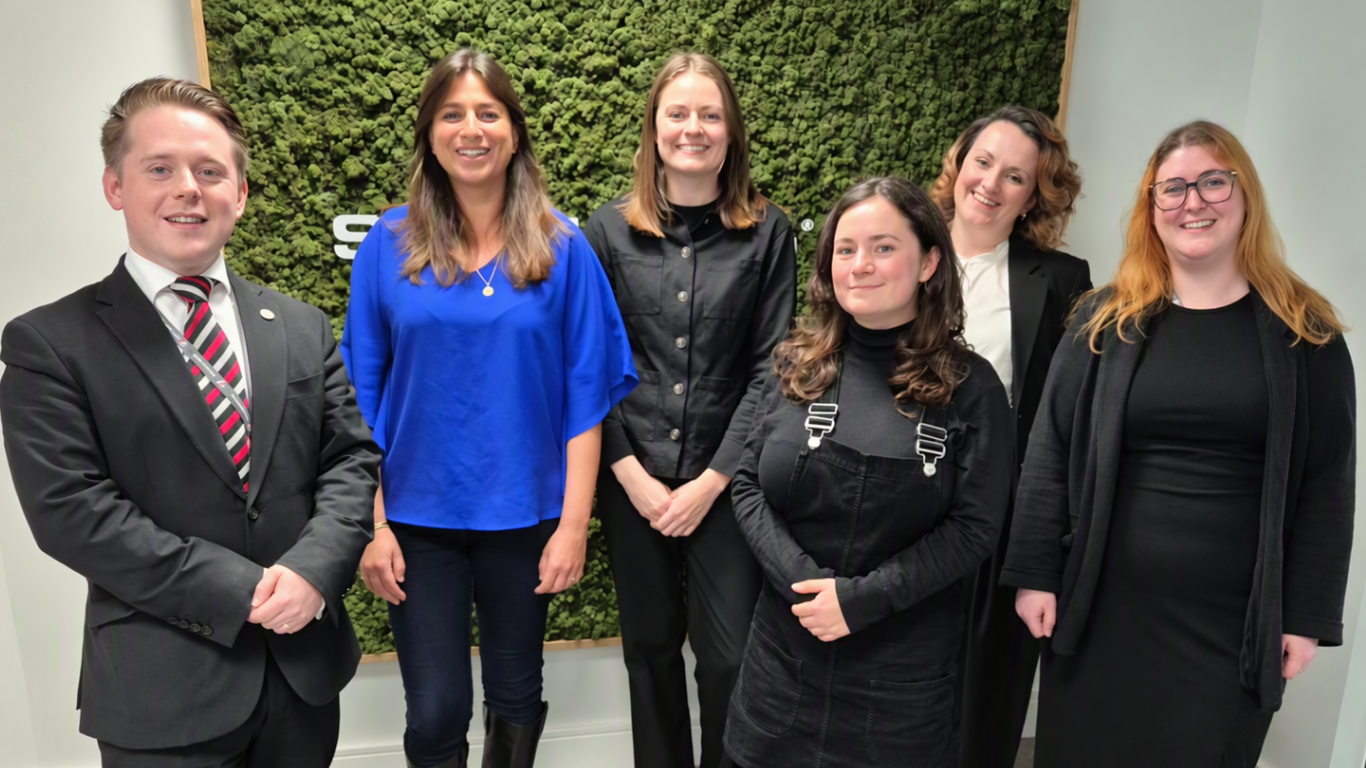
Discover how SecuriGroup's partnership with Code First Girls is creating new pathways into tech careers and helping build a more diverse technology team.

Show More